
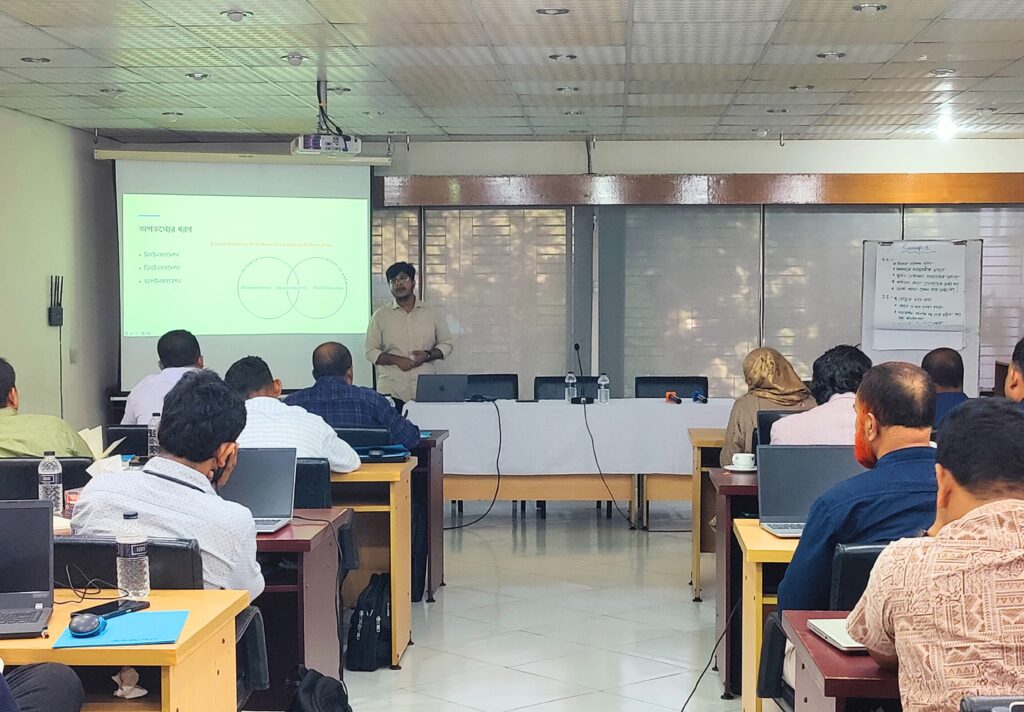
The evolving digital information landscape has transformed the role of election observers, requiring them to address not only on-site developments but also online risks and disinformation. With this in mind, Digitally Right Limited (DRL) recently conducted two training sessions on “Digital Safety & Information Integrity” specifically designed for Election Observers from the Alliance for Fair Elections and Democracy (AFED). Held on 23-24 and 26-27 November 2025 at the YWCA Training Centre in Dhaka, training was given to 33 election observers from all over the country. These sessions were organized under the AHEAD Bangladesh initiative, funded by the European Union and led by the European Partnership for Democracy (EPD).
Facing significant risks ranging from physical intimidation and digital surveillance to the widespread weaponization of disinformation, election observers need to be prepared beyond basic tools. In response, Digitally Right curated a specialized curriculum designed to instill a robust “verification mindset” and a culture of “safety first”.
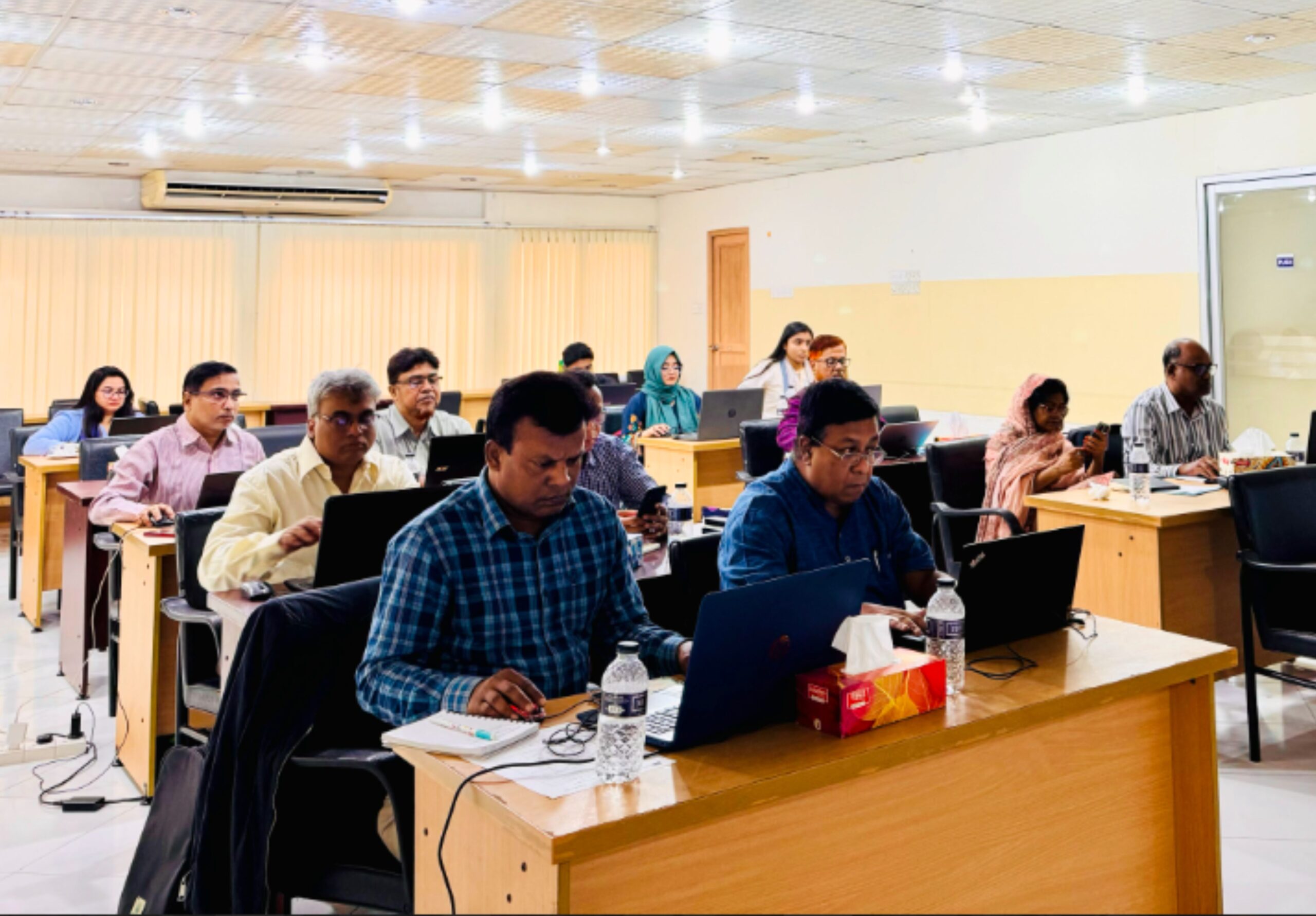
The comprehensive two-day curriculum followed a structured path from personal security to public verification. It began with the participants establishing a baseline for digital hygiene and mastered technical essentials like utilizing VPNs for secure communication, maintaining offline security, and using encryption to protect assets from seizure. The focus then shifted to the “Secure Evidence Ecosystem,” highlighting the use of the Tella app for safe evidence capture to ensure documented incidents remain encrypted and hidden from unauthorized access. On the second day, the training addressed the challenges of disinformation through practical simulations with Google Reverse Image Search and the InVID verification plugin, empowering observers to distinguish credible from malicious content.
The initiative hosted 33 participants (7 females, 26 males) from AFED member organizations based both inside and outside Dhaka. This diversity was strategic, particularly the inclusion of women who frequently face gender-based online harassment alongside common professional threats.
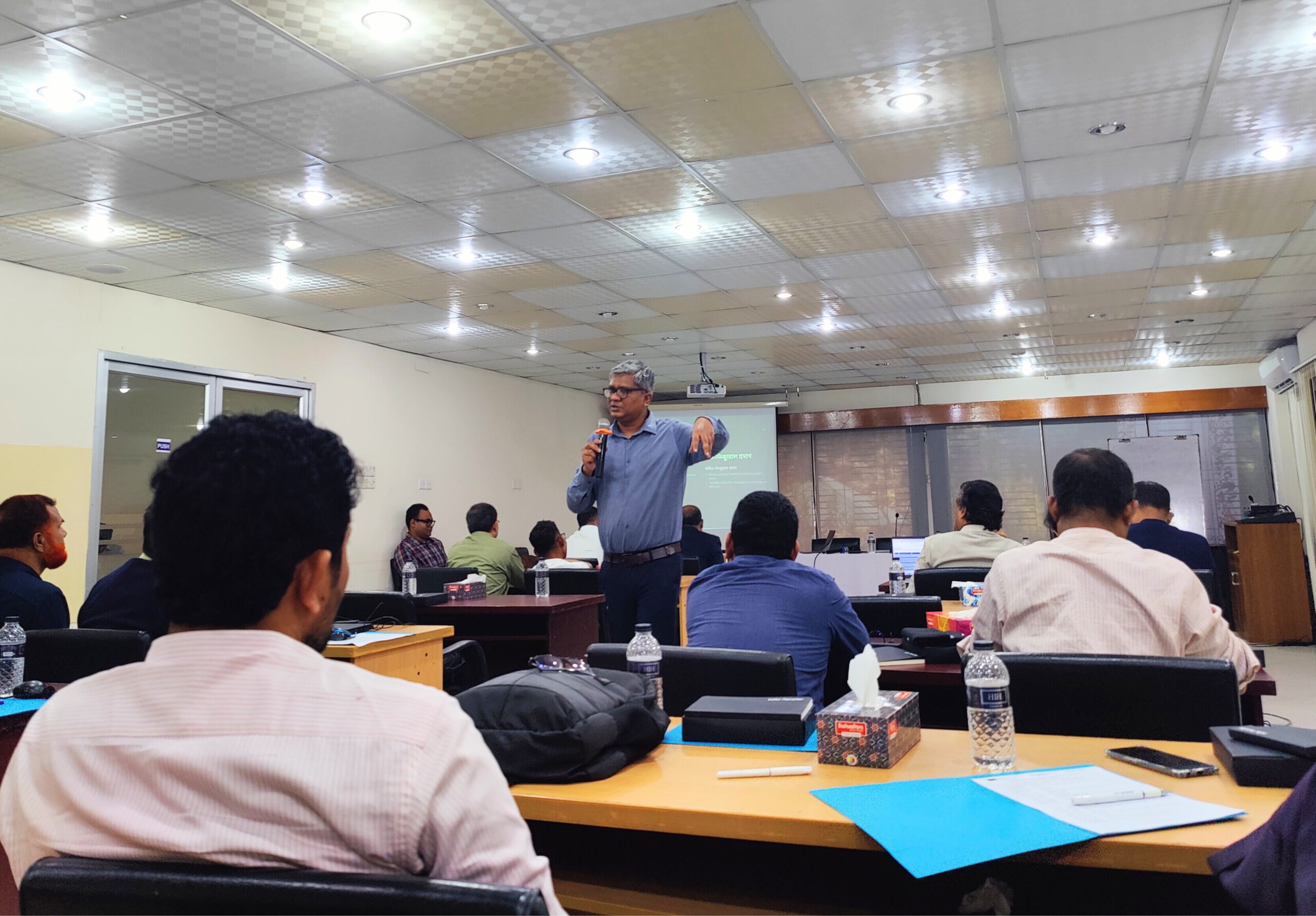
To ensure the curriculum effectively met the needs of the participants, DRL shared pre-training and post-training evaluation forms with the group. Where initial responses highlighted a widespread hesitation in identifying digital risks or securing devices, the post-training feedback demonstrated a significant boost in capability and preparedness. Feedback from the first training group highlighted a strong interest in tools and techniques for information verification. In response, DRL expanded and strengthened this session for the second cohort.
Reflecting on the sessions, one participant noted: “The tools will be very useful for our reporting. However, it would have been better if the training period was longer.” Such feedback highlights the importance of continued investment in digital literacy to strengthen the capacity of election observers. The next DRL digital security training for EPD observation partners will be organized on 29-30 December, 2025.