
Journalism has always been a challenging profession, but in recent years, amid shifting geopolitical contexts and state-sanctioned censorship of civic space, the risks journalists face have become increasingly complex. Journalists often face threats of physical harm while covering protests, political events, conflicts, and other sensitive issues. At the same time, the growing reliance on digital tools and online platforms has introduced new challenges, including online harassment, surveillance, hacking, and data security risks. In countries like Bangladesh, where journalists frequently work in demanding and sensitive environments, these physical and digital risks can be particularly significant. Therefore, it is important to equip journalists with the knowledge and skills needed to protect themselves and carry out their work safely.
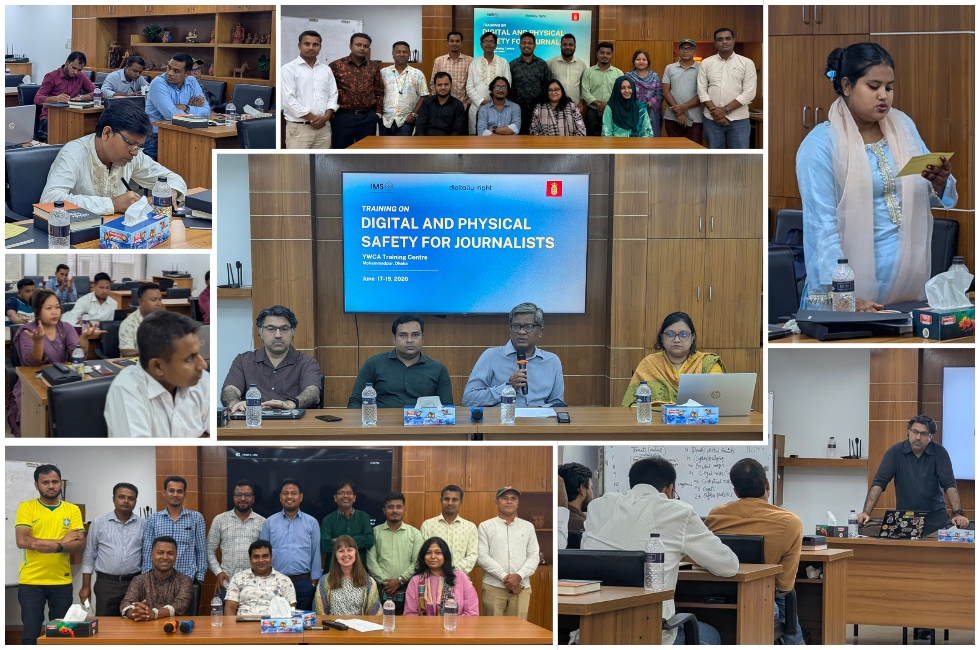
With these growing challenges in mind, Digitally Right conducted a three-day “Training on Digital and Physical Safety” for journalists. Conducted from 15 to 19 June, 2026, the training was organised for two cohorts: one consisting of Dhaka-based journalists and another comprising journalists from outside Dhaka. A total of 26 journalists participated in the training, with 13 participants in each cohort. The program was supported by International Media Support (IMS).
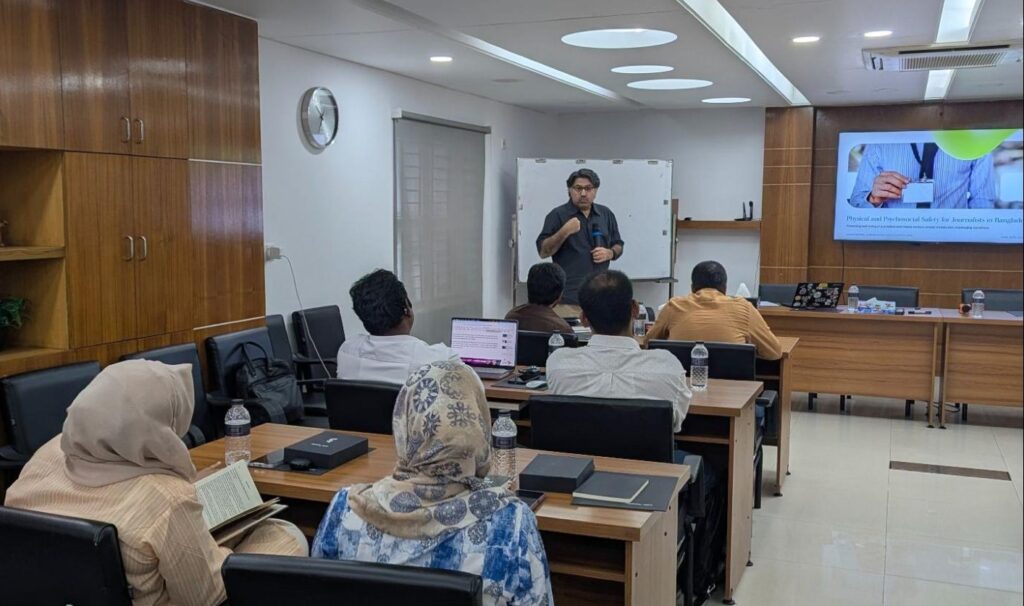
The first day of each training segment was facilitated by Adnan Rehmat, who currently works as a Program Manager at IMS Pakistan. A journalist, media development specialist, and trainer with over three decades of experience, he has been actively working to advance media development across South Asia through strengthening professional and ethical standards in journalism and advocating for freedom of expression and access to information.
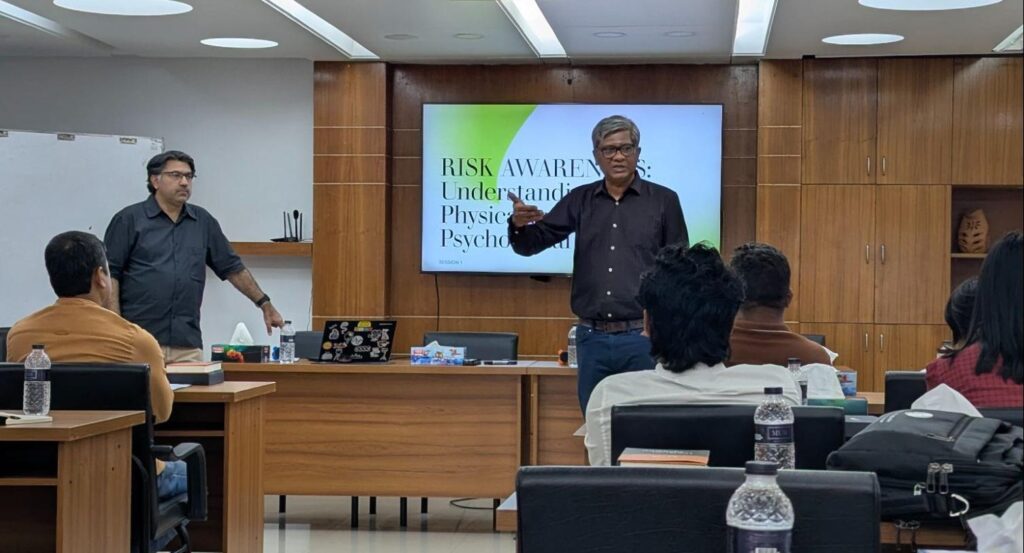
On the first day, discussions centered on why safety matters for journalists and explored the growing risks media professionals face in their work. Reflecting on their own experiences in the field, participants also shared actual risks that journalists encounter while reporting in Bangladesh. Furthermore, participants learned how to assess potential threats before an assignment, conduct risk assessments, and prepare effectively before going into the field. The discussions also covered personal safety in the field, situational awareness, and behavioral responses that can help journalists navigate challenging environments. Participants took away the following key lesson from this inaugural session:
“My safety is always more important than the story, and no story is worth my life.”
The second and third days of the training focused fully on digital safety. In these day-long sessions, participants learned about account security, phishing attacks, and safe browsing practices that helped participants understand common online threats. Additionally, journalists learned the impact of internet censorship and ways to access information securely, and learned how to safely capture, store, and manage sensitive information.
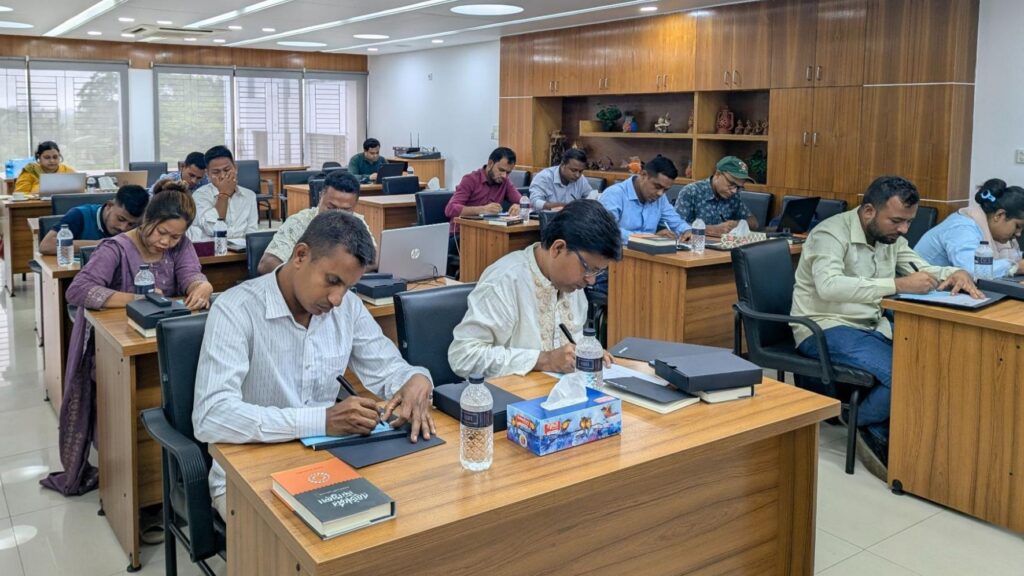
On the final day, discussions on digital safety continued with a focus on protecting information and communication. Participants learned about different backup methods, metadata, digital footprints, and social media safety. They also discussed communication security and explored ways to communicate more safely while protecting sensitive information. Moreover, participants received a session on online harassment, where they discussed how harassment is pervasive across online spaces, particularly social media, in Bangladesh, and learned how to properly document and report such incidents. Lastly, there was a session on digital verification, where participants learned how to identify and verify misleading content and use digital tools to support their reporting.
This three-day training program aimed to help journalists develop a stronger sense of safety and risk awareness. Participants learned the importance of protecting themselves both physically and digitally and ensuring that they can continue their work while minimising potential threats.